The Property Manager's Hurricane Prep Checklist for Florida Commercial Buildings
Hurricane prep is a 12-month job, not a June scramble. The buildings that come through named storms in the best shape do three things: inspect twice a year, secure rooftop equipment year-round, and have a contractor on call before the cone forms.
When should hurricane prep actually start?
Spring. A full envelope inspection in April or May gives you eight to ten weeks to schedule repairs before the season opens June 1. Waiting until a storm is in the cone means competing with every other building in the state for the same contractors and materials.
What should be on a pre-season inspection?
Roof membrane and seams, all rooftop equipment tie-downs (HVAC, satellite dishes, signage), parapet caps and coping, gutters and scuppers, exterior doors and weather stripping, window seals and impact film, soffit and fascia integrity, and any tree limbs within 10 feet of the building.
What documentation do I need before a storm hits?
Date-stamped photos of every roof elevation, every facade, and every major mechanical unit. Current COI on file for your contractor of record. A signed emergency response agreement so dispatch is automatic, not negotiated. This documentation is the single fastest way to settle an insurance claim cleanly.
What is the first thing to do after the storm passes?
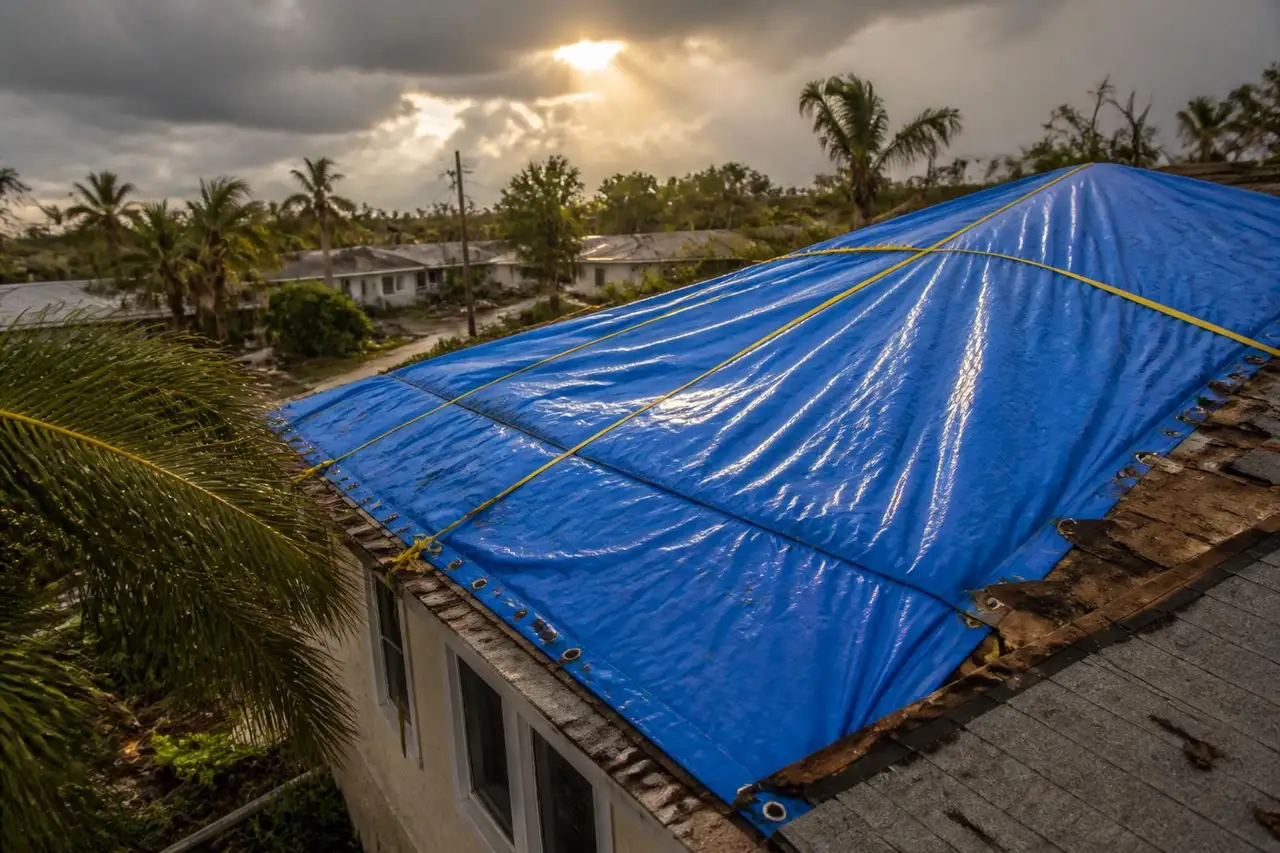
Safety first, then document. Walk the property with a phone camera and photograph everything before anyone touches it. Call your contractor for emergency tarp and dry-in. Only then call your insurance carrier to open the claim. Filing before you have documentation puts you on the carrier's timeline, not yours.
How fast can a contractor actually get to my property after a hurricane?
For SunSmart Site Walk Program members, typically within 24 to 48 hours for emergency tarp. For new calls coming in cold, three to seven days depending on storm severity and how far we have to travel. The single best way to move up the queue is to be a member before the season starts.
- →Inspect every April or May, never in August.
- →Tie-downs, seams, and scuppers cause most named-storm claims.
- →Date-stamped photos cut claim settlement time in half.
- →Tarp first, claim second.
- →Emergency response agreements move you to the front of the queue.
Related field notes.
TPO vs Modified Bitumen vs Metal: Which Commercial Roof Belongs on Your Florida Building?
TPO is the default for most Florida flat roofs (best cost-to-life ratio, white reflective surface, 20 to 30 year NDL warranties available). Modified bitumen still wins on small footprints and complex penetrations. Standing seam metal is the long-term play for owners who plan to hold the asset 30+ years and want hurricane-rated performance.
How to Actually Win a Florida Insurance Claim for Roof Damage
Most denied roof claims in Florida fail for two reasons: insufficient documentation of pre-loss condition, and confusion between cosmetic and functional damage. A contractor walk before you file separates winnable claims from claims that will hurt your premium for years.
Florida Impact Windows: What to Buy, What to Skip, and What Insurance Actually Discounts
Buy laminated impact glass with an aluminum or vinyl frame rated for your county's design pressure. Skip shutters as a long-term solution. Most Florida carriers discount premiums 20 to 45 percent for full impact-window homes, which usually pays back the install in 7 to 12 years.